
Buyer guide · Garden District · 70115
Garden District Luxury Homes for Sale
The Garden District holds one of the best preserved collections of nineteenth century residential architecture in the country, and buying into it is not an ordinary transaction. Few true comparables, a design review process that governs what you can change, and houses whose systems are as old as the city's streetcar line.
What the inventory actually is
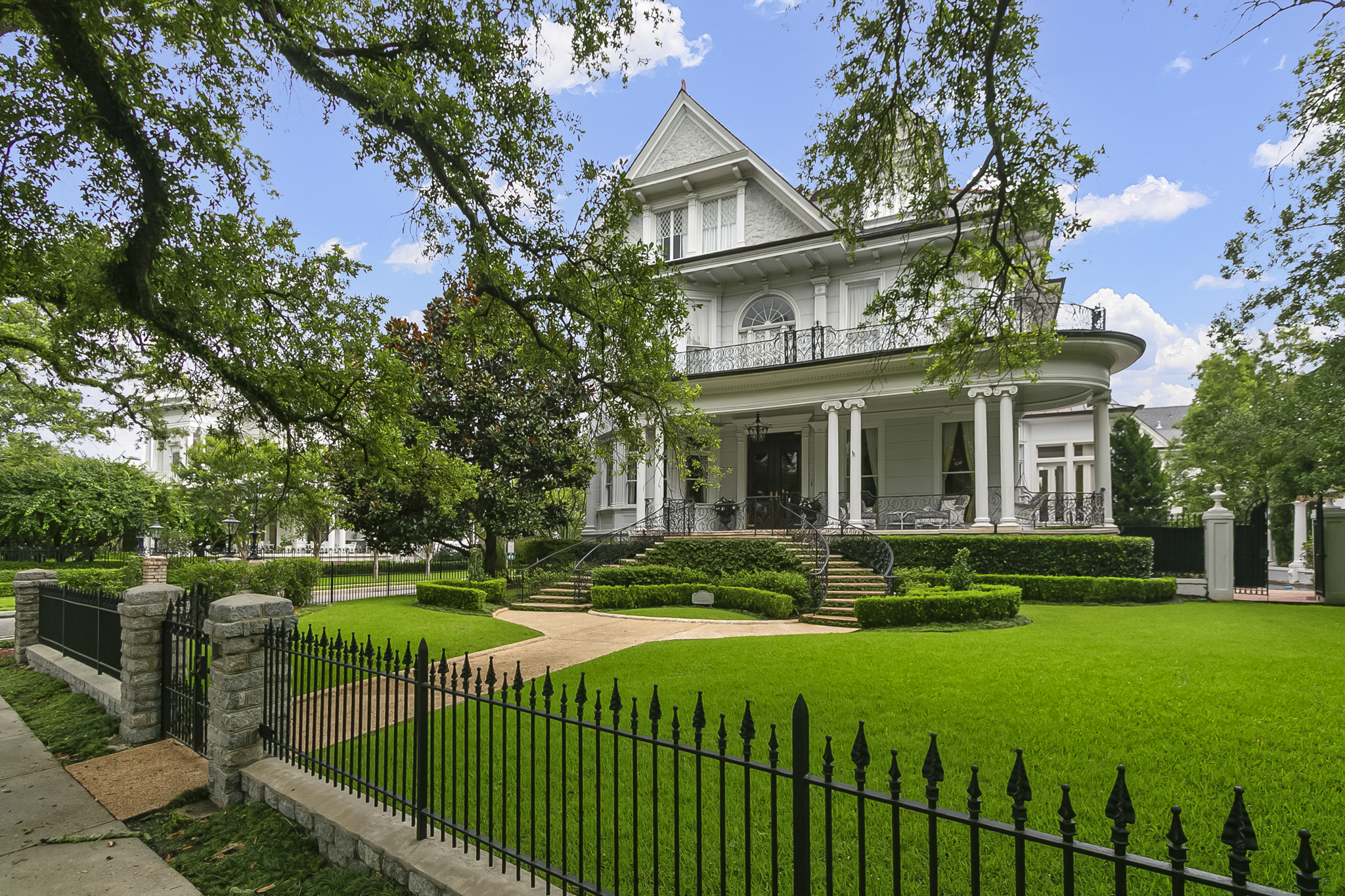
The district running roughly between St. Charles and Magazine, First and Josephine, is a compact area with a finite number of significant houses. The signature properties are large antebellum and Victorian era homes, Greek Revival with full-height columns, Italianate with bracketed cornices and cast iron galleries, Queen Anne with turrets and wraparound porches, most set on lots with mature gardens and service buildings behind.
Underneath that headline inventory is a second layer that matters to buyers. Raised cottages and smaller side-hall houses on the district's edges, and a set of conversions where a very large house was divided into two or three units decades ago. A conversion can be an excellent purchase or a permitting problem, and the difference is documented rather than visible. We check permitted use and certificate of occupancy before condition ever comes up. For the broader picture of the area, read the Garden District neighborhood guide.
Pricing when there are no comparables
At this level the market produces very few true comparable sales in a year, which makes automated valuation useless and makes the analysis the work. What we do instead is weigh closed sales across the district and the adjacent Uptown corridor, then adjust for the things that actually move value here: lot size and garden, off-street parking, the quality and age of the systems, whether renovations were done sympathetically and with permits, and the presence of outbuildings, a pool or a carriage house.
Days on market at the top of this market are also misleading. A significant house can sit for a year and then trade near ask, because the buyer pool is small and arrives when it arrives. We would rather show you what traded and why than hand you a price per square foot that flattens four very different houses into one number.
Historic review, and what you can change
The Garden District is a National Historic Landmark district and is locally designated, which means exterior changes visible from the public right of way generally need approval before a permit is issued. In practice that covers windows, roofing material, siding and paint removal, porches and galleries, fences and any demolition. Interiors are typically outside the review.
The window question is the one that surprises buyers most. Standard replacement windows on a visible elevation are usually not approved, and the expectation is repair of the original sash or replacement in kind. There are approved paths to better performance, and they cost more than the vinyl quote someone gave you. If your plan for the house involves changing its face, we get the scope priced and reviewed before you are under contract, not after. The historic homes guide covers the review process in more detail.
Inspection, insurance and the carrying cost
A standard inspection is not enough on a house of this age and size. We want the foundation and piers, the roof and flashing, the full electrical system including anything left of knob and tube or aluminum branch wiring, the drain lines, termite history and current treatment, gallery and porch framing, and evidence of unpermitted prior work. Specialist inspections on a property this size routinely pay for themselves in the negotiation that follows.
Insurance is the other number to establish early. Wind and hail drives the premium, roof age drives whether a carrier will write it at all, and on a large historic house the replacement cost figure behind the policy is substantial. Get quotes on the specific address during the inspection period. The home insurance guide explains how the three coverages and the named storm deductible work.
Seeing what is not listed
A meaningful share of significant Garden District sales happen quietly. Owners of well-known houses often prefer not to be publicly on market, so properties move through agent relationships, sometimes closing without ever appearing in a portal. Refreshing a search app will not show you those.
We work inside a 136-agent brokerage that has been in this market for 28 years, which is where that information actually lives. Tell us what you are looking for, including the things you would not put in a search filter, and we will keep you in front of what is coming rather than what is left.
Related reading: the Lower Garden District guide covers the neighborhood immediately downriver, and the cost of buying guide covers cash needed at closing.
Common questions
Buying in the Garden District, answered
Less a price threshold than a property type. The district's defining inventory is large nineteenth century houses, Greek Revival, Italianate and Queen Anne, on generous lots inside the National Historic Landmark district. Condition, lot size, off-street parking and how sympathetically the house has been updated separate one from another far more than square footage does.
Yes. The Garden District sits within a locally designated historic district, and exterior work visible from the street generally requires review before a permit. That covers windows, roofing material, siding, porches, fences and demolition. Interior work is usually outside the review, but you confirm the scope before you buy a house you intend to change.
Usually not with standard vinyl replacements on the visible elevations. Historic districts typically require repair of original wood windows or replacement in kind with a matching profile and material. There are approved storm and interior options that improve performance, and we would rather you price that correctly before closing than discover it after.
Carefully, and not by algorithm. In a market with a handful of true comparables a year, you weigh closed sales across the district and adjacent Uptown, adjust for condition, systems, parking and outbuildings, and read what actually traded rather than what was asked. Automated estimates are unreliable at this level and we do not use them to set a number.
More than most buyers expect, and it varies enormously with roof age, systems, construction and elevation. Wind and hail is the driver, and older roofs can make a property difficult to write at all. Get quotes on the specific address early. The home insurance guide covers how the three coverages and deductibles work.
Frequently. A meaningful share of high-end Garden District transactions happen quietly through agent relationships before any public listing, sometimes without ever reaching the MLS. Being known to the agents who hold that inventory is how you see it, which is one of the practical advantages of working inside a large local brokerage.
More than a standard inspection. Foundation and pier condition, roof and flashing, the full electrical system including any remaining knob and tube or aluminum, galvanized or cast iron drain lines, termite history and active treatment, gallery and porch framing, and any prior renovation done without permits. On a house this size, specialist inspections usually pay for themselves in the negotiation.
Tell us what you are after and your timing. We will put together a shortlist that includes what is listed and what we know is coming, and get insurance and review questions answered before you write.
Keep exploring
Related guides and neighborhoods
Let's talk
The best houses here are rarely the ones on the portal.
Tell us what you are looking for and we will keep you in front of what is coming to market.